
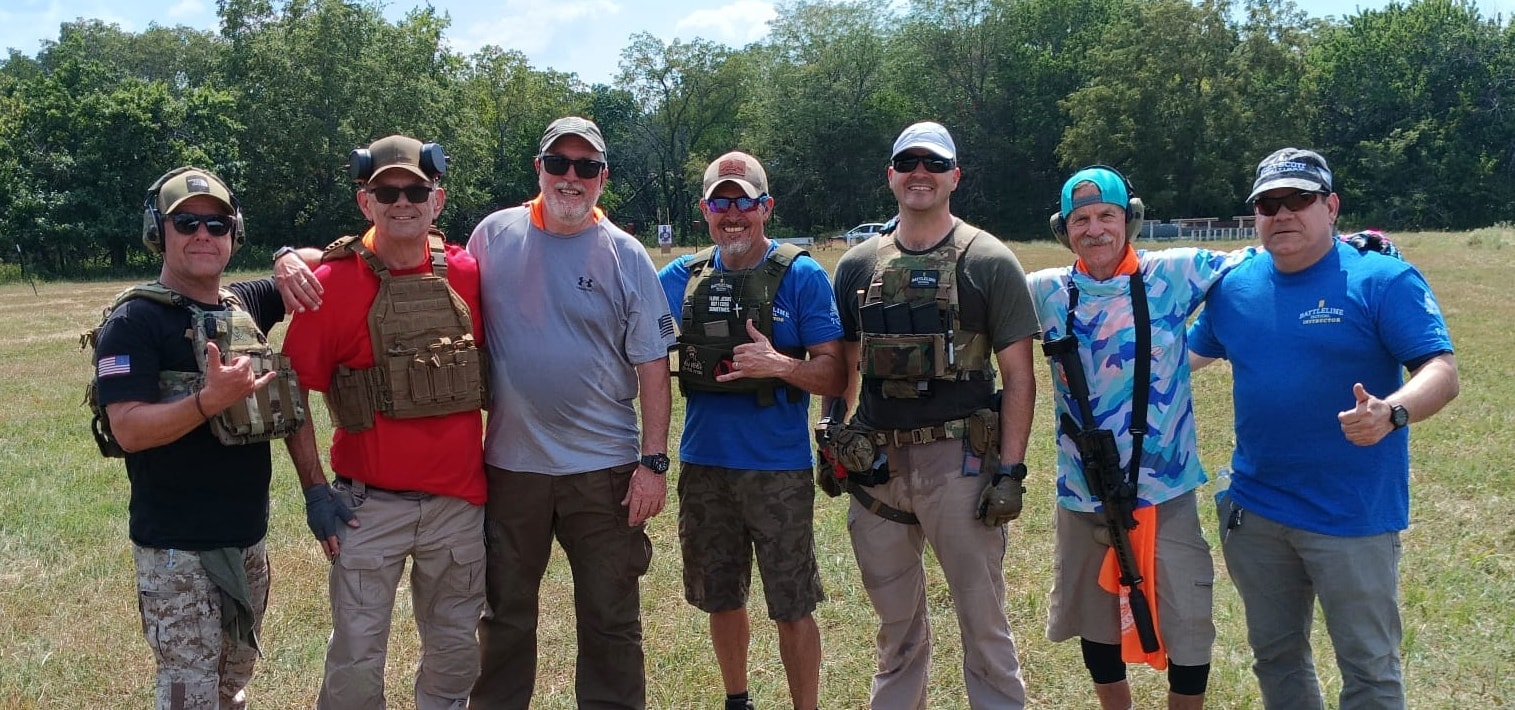
At 62, I wasn't interested in proving that I could stand still and punch holes in paper.
I wanted to know whether I could move, manage my equipment, solve problems and put rounds on steel when my heart rate was up and the wheels started coming off.
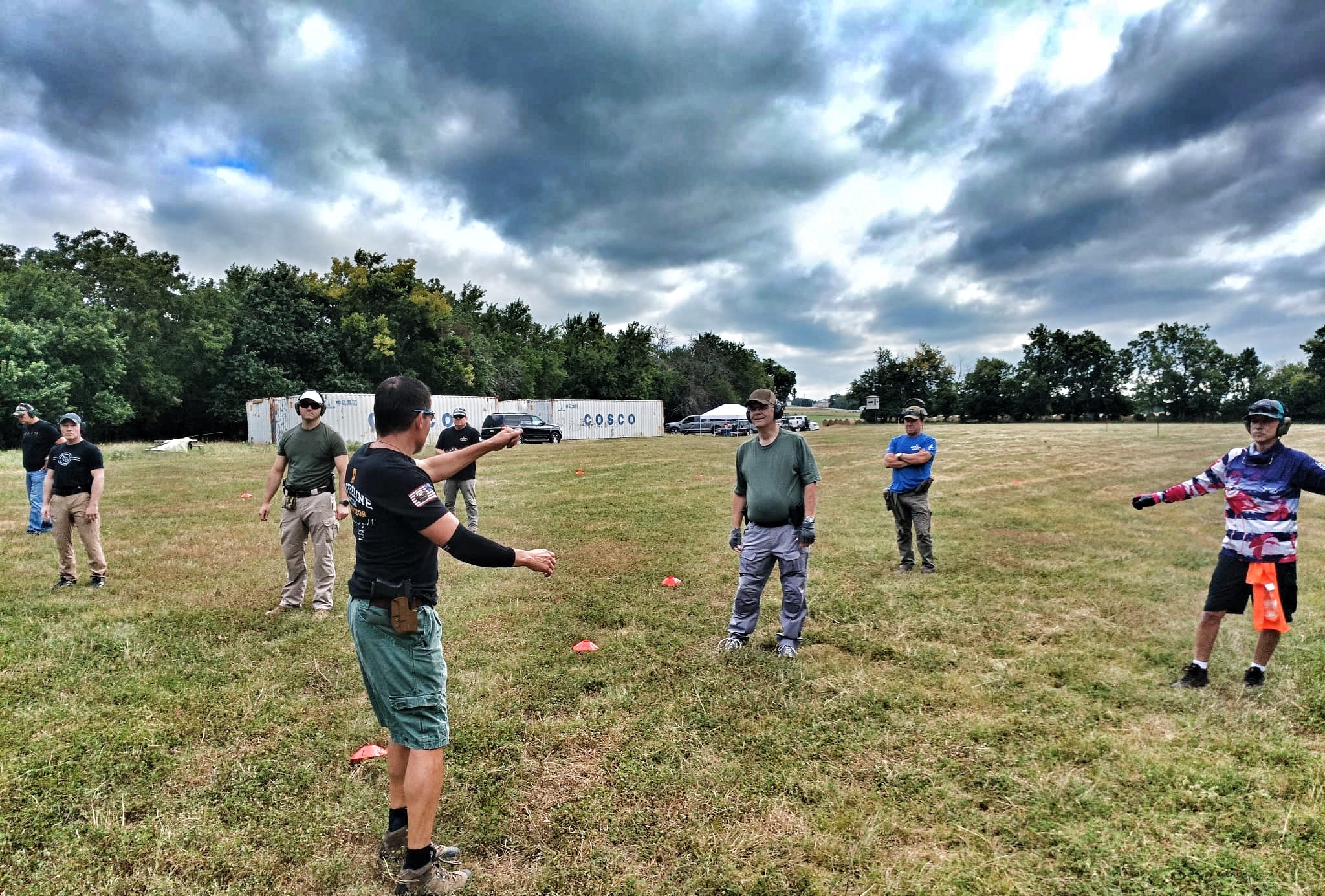
That question took me to Fort Scott, Kansas, for two days of Dynamic Pistol and Dynamic Carbine training with BattleLine Tactical.
The answer? I'm still capable—but capability requires considerably more than standing behind a firing line and admiring a tight group.
Taking the Skills Off the Static Range
Traditional range work matters. The fundamentals never stop mattering.
But a stable stance, a stationary target and all the time you need can hide weaknesses. Once movement, urgency, physical exertion and equipment management enter the drill, shooting becomes only one part of the problem.
That final point became particularly relevant before the weekend was over.
Dynamic training forces you to put everything together:
- Move safely and deliberately
- Maintain muzzle and trigger discipline
- Locate and engage targets
- Work around obstacles and cover
- Manage reloads and equipment
- Control your breathing and heart rate
- Recover when something doesn't go according to plan
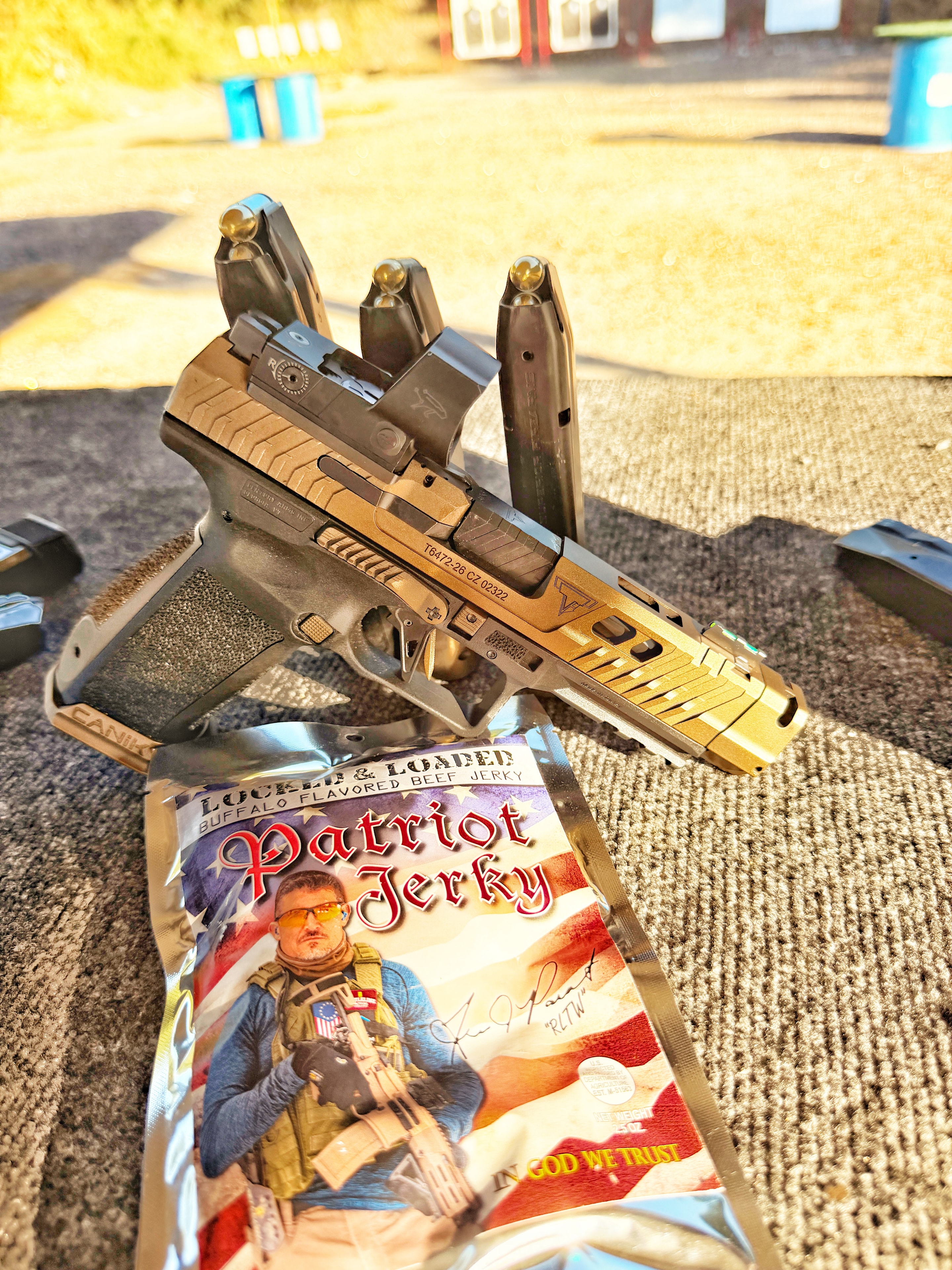
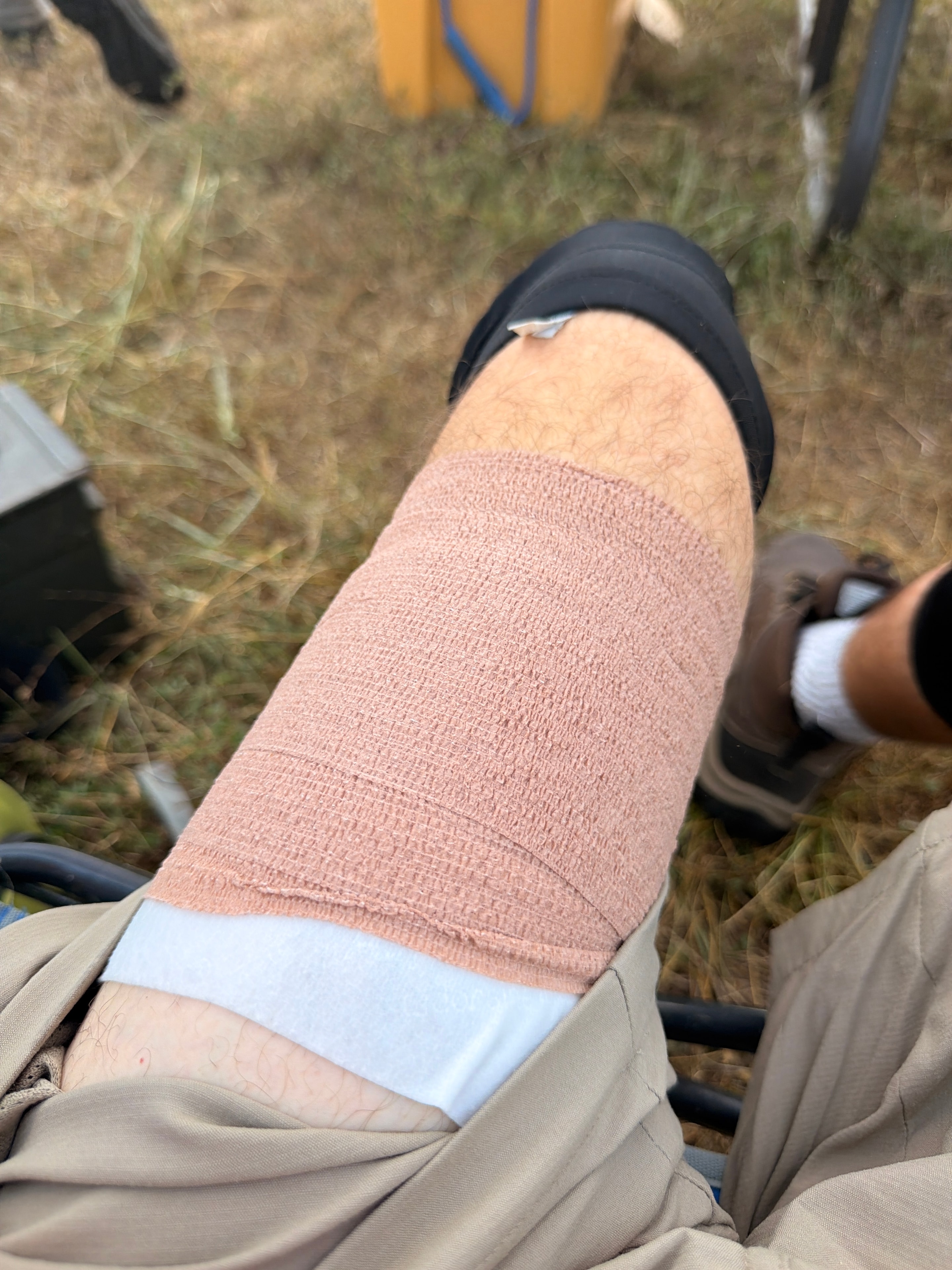
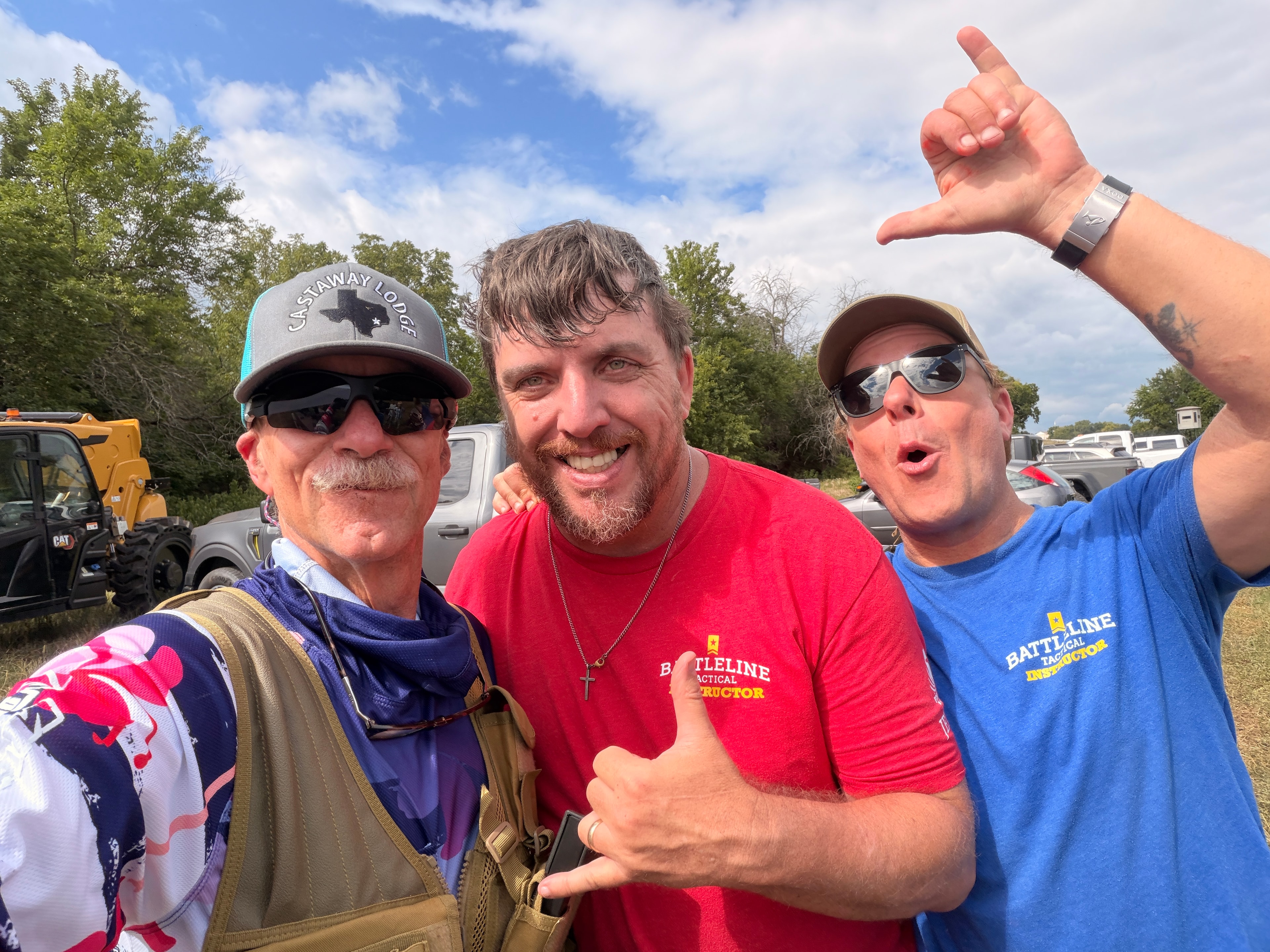
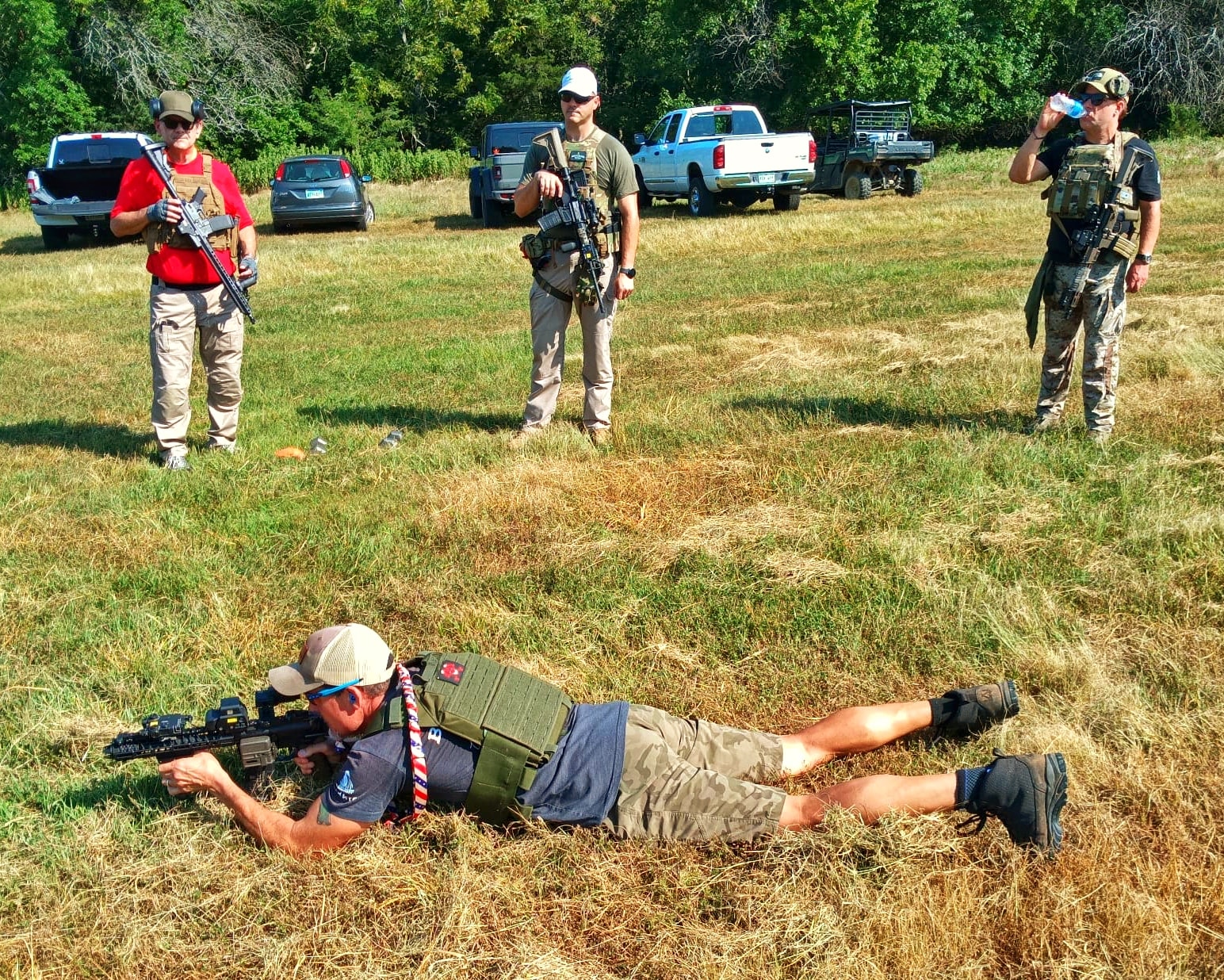
Dynamic Pistol: Movement Changes Everything
The pistol portion began turning familiar fundamentals into working skills.
Drawing, acquiring the sights and pressing the trigger are straightforward when your feet are planted. Performing those same actions while moving between positions exposes every wasted motion and every weakness in your mechanics.
Speed without control accomplishes nothing. Accuracy without urgency may not be enough. The goal is learning to balance both while remaining safe and making deliberate decisions.
The course reinforced something I've continued working on since: faster sight acquisition, recoil control, efficient reloads and putting acceptable rounds on target without waiting for a picture-perfect moment.
Perfect is useful during practice. Capable is what matters when the clock is running.
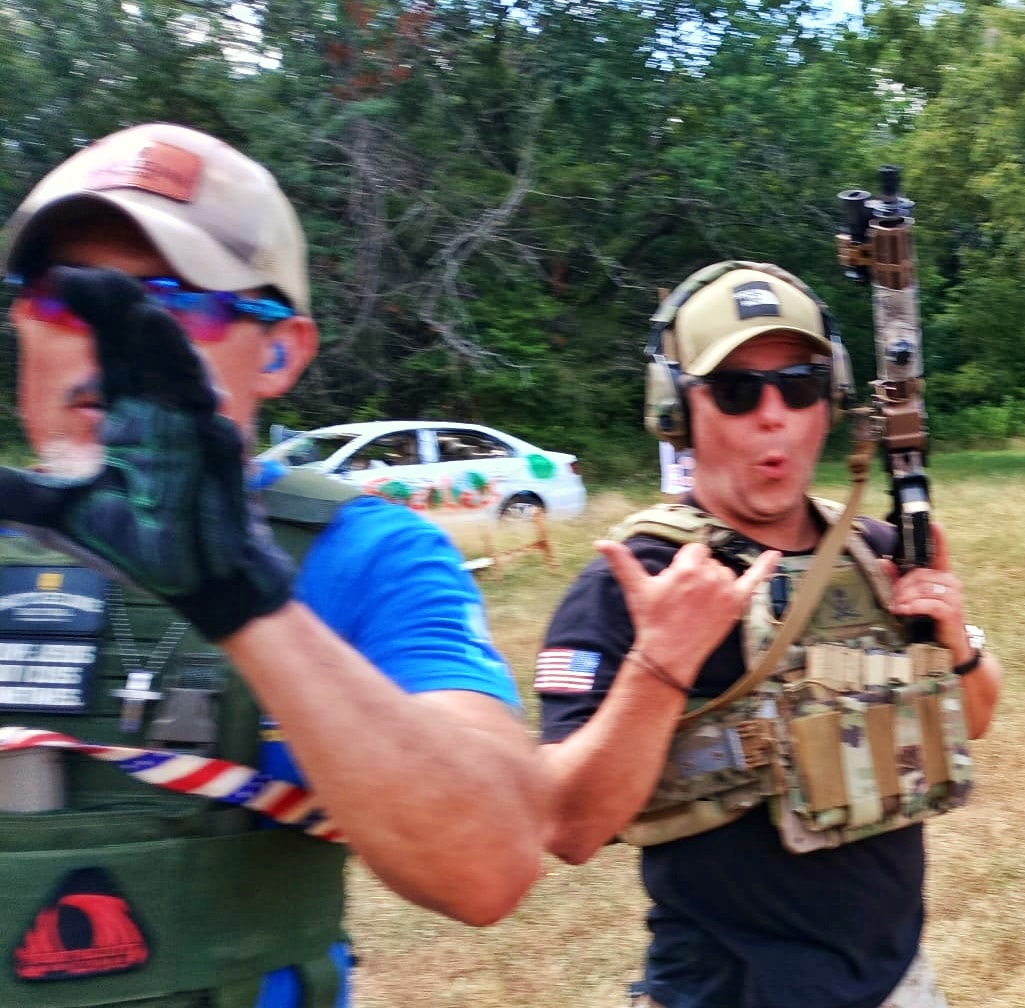
Dynamic Carbine: Your Gear Joins the Fight
A carbine introduces another layer of work.
Now the sling, magazines, optic, weapon controls and every piece of equipment attached to your body must function while you're moving. Gear that seems perfectly arranged in the living room can become an obstacle once you start changing positions and working around cover.
The course was a practical audit of what worked, what got in the way and what needed more repetition.
That's one of the most valuable things good training provides. It doesn't simply confirm what you already do well. It reveals what needs attention while the consequences are limited to time, frustration and a bruised ego.
Sometimes it also includes an actual bruise.
The Unplanned Forward Roll
My thighs quickly informed me that they were not accustomed to repeated hard sprints.
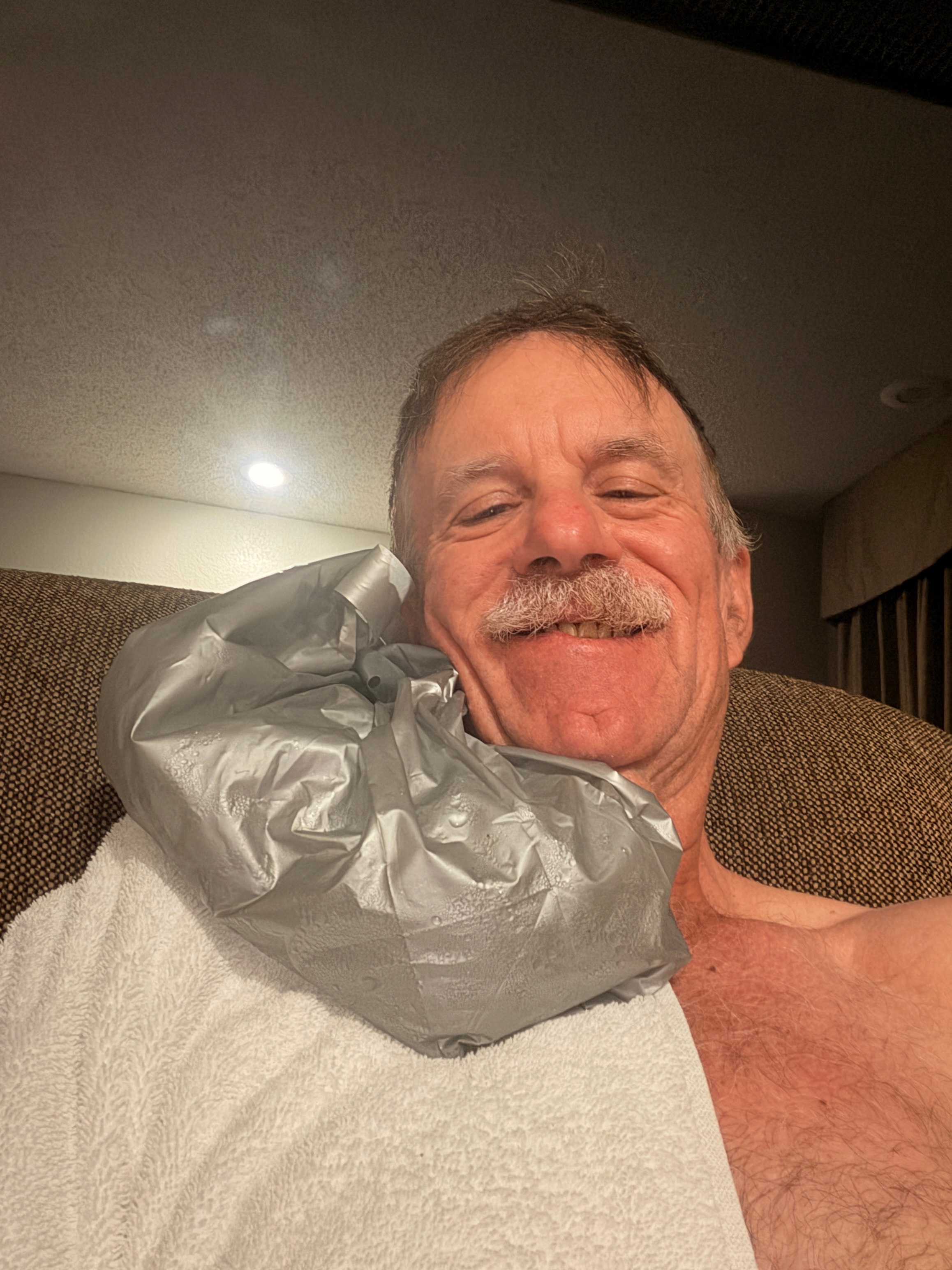
During one drill, I tripped and performed what could generously be described as an unscheduled tactical forward roll. I hit hard enough to ding my clavicle—but came back up and put rounds on steel.
Was it graceful? No.
Did I finish the problem? Yes.
That moment may have captured the entire purpose of the weekend. Capability doesn't mean everything goes perfectly. It means you can recover, regain control and continue working when it doesn't.
At our age, knowing how to get back up may be every bit as important as knowing how not to fall.
"We surpass our potential because of our training."
What Two Days Exposed
By the end of the course, the physical toll was visible. So were the lessons.
Fitness is part of preparedness
You can't separate shooting performance from mobility, endurance and recovery. If your legs are exhausted, your breathing is uncontrolled or you can't comfortably get into and out of a position, every other skill becomes harder to access.
You can't shoot if you can't move.
Gear must earn its place
Equipment should support the work without demanding unnecessary attention. The only reliable way to discover whether your setup works is to use it while moving, sweating and solving problems.
Fundamentals deteriorate under fatigue
Fatigue doesn't create weaknesses—it reveals them. Repetition builds the mechanics that remain available when concentration and energy begin to fade.
Recovery is a trainable skill
Mistakes, malfunctions and unexpected trips happen. The important question is how quickly and safely you recognize the problem, adapt and continue.
Experience helps, but it doesn't replace training
Years of experience provide judgment and perspective. They do not eliminate the need to practice unfamiliar movements or maintain physical capability.
Experience leads the way. Training keeps the engine running.
What Changed After the Course
The weekend didn't end when I left Fort Scott.
It influenced how I structure my continuing practice: Bill Drills, Mozambique drills, faster red-dot acquisition, one-handed work with my everyday-carry SIG P365 and more movement between shooting positions.
It also reinforced the fitness side of Boomer Tactical.
We talk about shooting, moving and communicating—but those words belong together. Firearms proficiency without mobility is incomplete. Gear without training is equipment. Preparedness without repetition is mostly intention.
The objective isn't to train like we're 25.
It's to remain stronger, more mobile, more knowledgeable and more capable than we were yesterday.
The Bottom Line
BattleLine Tactical's Dynamic Pistol and Dynamic Carbine courses were physically demanding, occasionally humbling and exactly what I needed.
I didn't leave believing I had mastered anything. I left with a clearer understanding of what worked, what needed improvement and how much capability can still be developed at 62.
That is the value of serious training.
It tests the stories we tell ourselves against what we can actually do—and then gives us a path forward.
We surpass expectations because of our training.
SHOOT. MOVE. COMMUNICATE.
STAY READY—PROTECT WHAT MATTERS.